Deepwoken Combat and Controls
PC keybinds, posture, feints, roll cancels, and Combat Tag rules that decide live PvP and PvE.
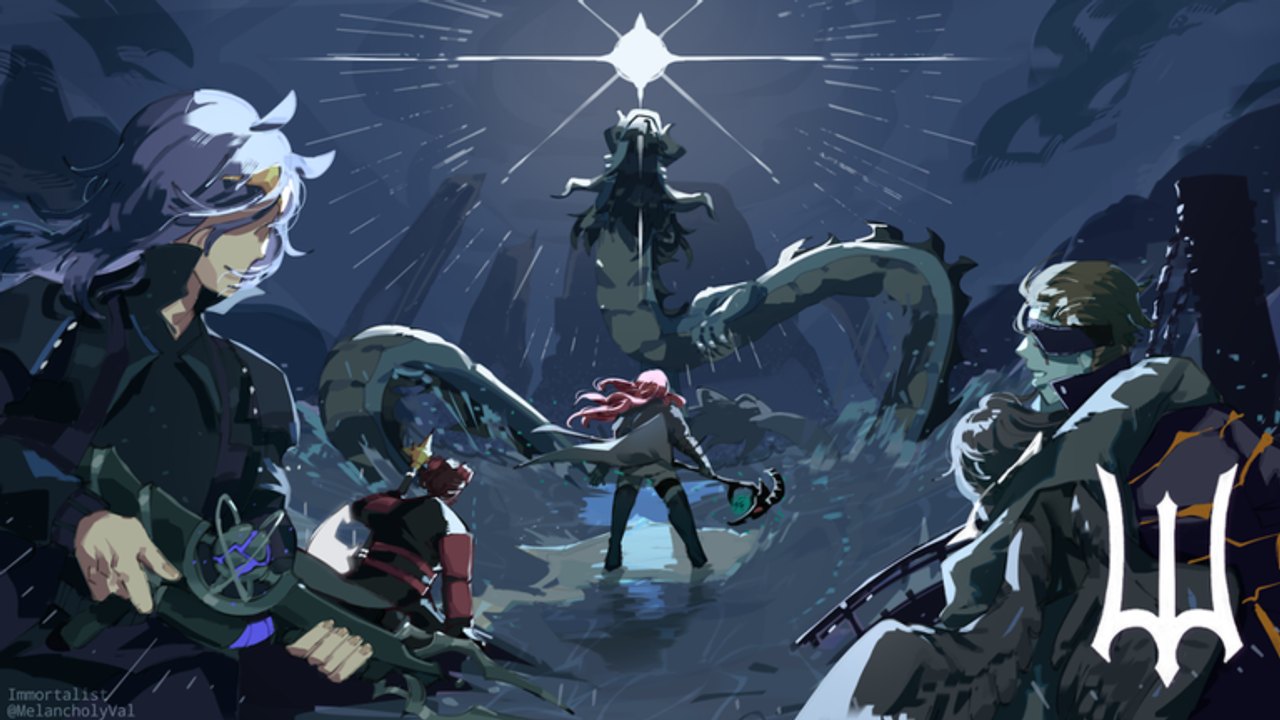
Deepwoken combat is a timing game. Light attacks, parries, rolls, feints, criticals, and vents form a rock-paper-scissors layer on top of builds and mantras. This page lists the default PC controls, explains posture and Combat Tag, and gives practice habits that transfer from Cap’n Orlandeau’s tutorial into real servers.
Pair this with Getting Started for early progression and Builds once your hands know what the kit is supposed to do.
PC control table
| Input | Action | Notes |
|---|---|---|
| M1 | Light attack | Primary string; aerial and crouch variants exist |
| M1 + M2 | Feint | Cancels the swing to bait parries or rolls |
| M3 or R | Critical attack | Weapon-specific; strong for posture and mixups |
| F (tap) | Parry | Timed deflect; learn per-move windows |
| F (hold) | Block | Absorbs hits at the cost of posture |
| Q | Roll | Dodge with iframes; direction matters |
| Q then M2 | Roll cancel | Shortens roll recovery for repositioning |
| G | Vent | Spends Tempo to knock back and break pressure |
| Y | Switch stance | If the weapon supports stances |
| E | Interact / throw context | NPCs, world objects, some combat throws |
| Tab | Journal / backpack | Attributes, talents, inventory |
| W+W | Sprint | Movement backbone |
| Ctrl | Crouch / stealth | Slide if pressed while sprinting |
| T | Taunt / spit | Minor heal on spit hit; pulls NPC aggro |
| C | Resonance | Once unlocked |
| B | Execute | On eligible downed targets |
| V | Carry | Move a KO’d body |
Hotbar number keys cast equipped mantras and items. Mantra + M1 + M2 performs a mantra feint that spends Ether and resets that mantra’s cooldown window. Pressing M1 in the correct mantra timing window can perfect cast for talent interactions.
Rebind in the cogwheel settings if needed, but learn defaults first so guides and videos match your hands.
Posture and blocking
Posture is the hidden stamina of your guard. Holding block eats posture when hits land. When posture breaks, you are guard broken and vulnerable. Criticals, heavy weapons, and certain mantras shred posture faster. Parrying correctly avoids posture damage that a late block would take.
Beginner rule: parry what you recognize, block only when you must, and roll true unblockables. Holding F forever is how freshies die to posture breaks.
Feints and mind games
A feint (M1 then M2 quickly) cancels your attack animation. Opponents who reflex-parry eat the whiff and open themselves to a real hit, a roll-catch, or a mantra. Humanoid NPCs often roll away from feints — useful in PvE. In PvP, over-feinting becomes readable. Mix real strings, delayed swings, crits, and mantra cancels.
Never autoparry after you land a parry. Watch the opponent. Reaction habits beat scripted loops.
Roll cancel and movement
Rolling grants invulnerability frames but leaves recovery. Roll cancel with M2 after Q to cut endlag, stay closer, and continue pressure or escape. Slide jumps and wall movement expand traversal, but combat first priorities are roll timing and cancel comfort.
Practice roll-catching: feint to force a dodge, then attack where they exit. Practice roll-escaping: when you miss a parry, roll immediately instead of freezing.
Vent, Tempo, and pressure breaks
Vent (G) spends Tempo to shove enemies and interrupt some lock situations. It is a panic tool and a combo breaker, not a free win button. Dumping vent with no follow-up still leaves you in danger. Learn when your build generates Tempo so vent is available for the scary string, not wasted on the first M1.
Combat Tag
Combat Tag (Ctag) applies when you hit, get hit, or defend against hostile actions. Effects include reduced regeneration, restricted assassination, equipment swap limits, and different soft caps on some damage modifiers. PvE tags differ from PvP tags; a blue skull style indicator marks monster combat, while player combat overrides with stricter rules.
Leaving tag takes time or clearing the source. Do not assume you can sheath, swap kits, or campfire heal instantly mid-fight. Talents that interact with tag (first-hit mitigation, tag-based damage buffs) are build-defining — plan them in Builds.
Practice plan
- Complete Cap’n Orlandeau’s combat lessons.
- Parry trade M1 only with a friend for ten minutes.
- Add feints; dodge when you see a feint.
- Add roll cancels on both offense and defense.
- Introduce crits and one mantra at a time.
- Spar at neutral hubs before hunting players.
- Take those timings into Depths trials and Trial of One.
Monsters teach specific answers: some kicks are roll-only, some grabs need early react, Enforcer-style feints punish greedy parries. Learn one enemy fully instead of dying to five partially.
Common beginner mistakes
- Holding block through everything until posture explodes.
- Parrying on prediction every time after being parried.
- Rolling in place with no cancel, then eating the follow-up.
- Ignoring Combat Tag and trying to swap weapons mid-duel.
- Bringing an untested light weapon into first PvP.
Combat skill multiplies every build. A mediocre kit with clean parries outlives a meta screenshot with panic mashing. Drill the table above until inputs are boring — then the Depths and the tier list meta start to make sense.
Frequently Asked Questions
Quick answers for Deepwoken Pathfinders.
How do I feint in Deepwoken?
Press M1 then M2 quickly to cancel a light attack. Use mantra plus M1 plus M2 to feint mantras at an Ether cost.
What is roll cancel?
Press Q to roll, then M2 to cut recovery. It helps you reposition, continue pressure, or escape without full roll endlag.
Should I block or parry?
Parry attacks you know. Block sparingly because posture breaks leave you wide open. Roll true unblockables.
What does Combat Tag do?
Tag applies in fights and reduces regen, limits some actions like free weapon swaps, and changes how certain damage modifiers behave until it drops.
What key is vent?
Default vent is G. It spends Tempo to knock enemies back and can break pressure when timed well.